
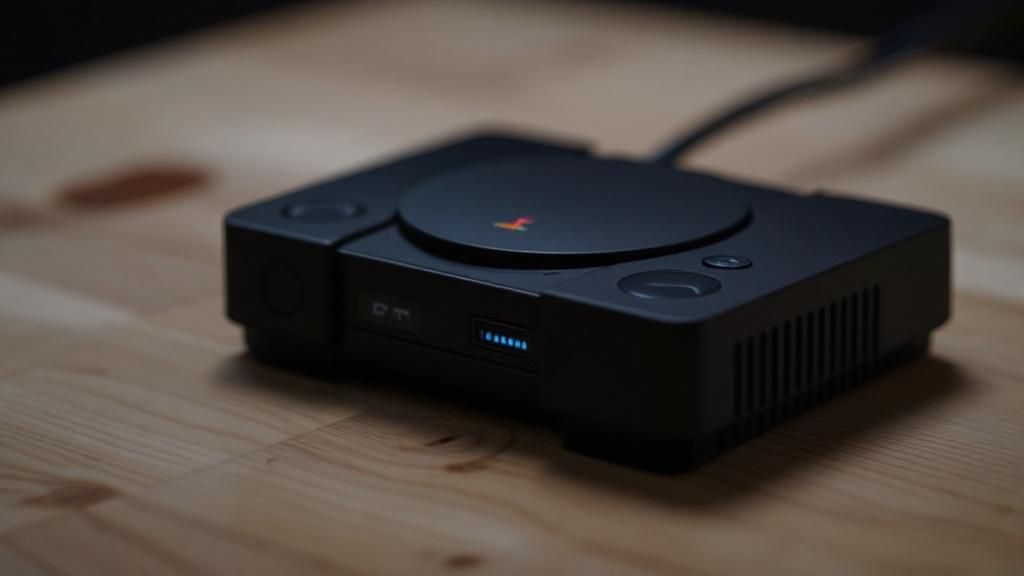
Sony has declared a significant expansion to its legacy support initiative, bringing a fresh wave of iconic vintage PlayStation titles to contemporary consoles. This strategic move permits gamers to experience again cherished classics from earlier generations without demanding outdated hardware. The enhanced offering promises enhanced performance and enhanced visual quality on contemporary consoles, connecting between retro gaming and cutting-edge technology. Discover which classic franchises are being added and how this advancement is transforming the next chapter of PlayStation.
Expanding the Timeless Gaming Library
Sony’s backwards compatibility programme constitutes a pioneering method to preserving gaming heritage whilst embracing modern technology. By expanding the library of classic PlayStation titles available on contemporary consoles, the company illustrates its dedication to recognising its rich gaming legacy. This undertaking ensures that decades of exceptional gaming experiences stay available to veteran gamers and fresh audiences discovering these timeless classics for the first time. The expanded library features a broad spectrum of types and time periods, reflecting the extent of PlayStation’s pivotal role in interactive entertainment.
The programme’s growth addresses a critical gap in modern gaming by rendering previously inaccessible titles widely accessible on current-generation hardware. Players don’t need to preserve older consoles or hunt for costly used copies to enjoy these beloved games. This wider availability of classic gaming content bolsters the PlayStation platform and encourages user participation across generational divides. The initiative also highlights Sony’s responsiveness to user expectations for comprehensive backwards compatibility options that acknowledge the financial commitment gamers have committed in their digital catalogues across time.
Next-generation Simulation Technology
The core infrastructure of this backwards compatibility programme relies on sophisticated emulation technology that faithfully reproduces the original gaming experience whilst optimising performance for modern hardware. Advanced emulation engines examine classic game code and convert it efficiently for contemporary processors, ensuring compatibility without sacrificing authenticity. These technological improvements go further than mere functionality; they enable improved frame rates, improved resolution scaling, and faster loading times that significantly elevate the playing experience. The engineering teams have devoted substantial resources in achieving this balance between conservation and improvement.
Modern emulation technology integrates machine learning algorithms and anticipatory analysis methods that anticipate gameplay requirements and distribute resources efficiently. This intelligent approach reduces lag, reduces stuttering, and offers smoother performance than original hardware could provide. Additionally, the emulation framework contains adaptive quality settings that allow players to tailor their experience based on personal preferences and available system resources. These development breakthroughs represent extensive dedicated development, ensuring that classic games perform perfectly on PlayStation 5 and other modern platforms.
Player Accessibility and Convenience
Backwards compatibility fundamentally enhances gamer accessibility by merging gaming libraries throughout different eras within a integrated environment. Gamers can seamlessly transition between modern releases and older classics without managing multiple devices or purchasing duplicate copies of games they have acquired. The single dashboard makes browsing easier and locating games, allowing players to browse their full library with ease. This efficient system honours player investment and monetary spending, clearing access restrictions that formerly prevented enjoying cherished titles and encouraging exploration of gaming history.
The enhanced programme also tackles practical accessibility concerns by delivering contemporary convenience features alongside classic gameplay. Players benefit from improved controller support, customisable difficulty settings, and enhanced graphics settings that accommodate contemporary gaming standards. Cloud save functionality enables seamless progression across multiple devices, whilst trophy and achievement systems promote engagement with classic titles. These features change backwards compatibility from a nostalgic curiosity into a truly useful feature that improves the PlayStation experience overall for millions of players worldwide.
Advantages for Gamers and Industry
Improved Player Experience for Players
The expanded backwards compatibility programme offers considerable advantages to the gaming audience. Players can now access classic games with enhanced frame rates, superior image quality, and faster loading times on modern PlayStation consoles. This availability eliminates the necessity for maintaining older systems, whilst maintaining gaming history for coming generations. Gamers gain from seamless integration with current features, encompassing trophy support and cross-platform functionality, improving their gaming experience significantly.
Economic and Strategic Advantages
From an market perspective, this initiative reinforces Sony’s competitive positioning within the gaming market. By broadening the legacy game library, PlayStation attracts both veteran gamers looking for retro gameplay and new players uncovering legacy franchises. This approach optimises the potential of existing intellectual property, creating fresh engagement in long-running series without substantial development costs. Additionally, the programme encourages brand commitment and extends the commercial lifecycle of legacy titles, creating continuous earnings through digital distribution channels.
Safeguarding Gaming History
The backwards compatibility expansion plays a essential cultural function by preserving significant gaming heritage. Classic PlayStation titles embody key milestones in interactive entertainment history, and guaranteeing their availability avoids valuable works from disappearing. This commitment to preservation reflects the gaming industry’s maturation, accepting that older games merit acknowledgement and continued accessibility. By preserving these digital artefacts, Sony adds substantially to gaming’s cultural legacy whilst showing corporate responsibility towards preserving entertainment history.
